
Rheumatology
Rheumatology
The Rheumatology department aims to provide diagnostic and therapeutic care for patients with musculoskeletal disorders: chronic inflammatory rheumatism (rheumatoid arthritis, psoriatic arthritis, spondyloarthritis, and other autoimmune or inflammatory diseases), microcrystalline rheumatism (gout, chondrocalcinosis), spinal and radicular disorders, osteoporosis and other bone metabolism disorders, muscular or tendon disorders, and osteoarthritis.
The Rheumatology department aims to provide diagnostic and therapeutic care for patients with musculoskeletal disorders: chronic inflammatory rheumatism (rheumatoid arthritis, psoriatic arthritis, spondyloarthritis, and other autoimmune or inflammatory diseases), microcrystalline rheumatism (gout, chondrocalcinosis), spinal and radicular disorders, osteoporosis and other bone metabolism disorders, muscular or tendon disorders, and osteoarthritis.

Consultations & Team
Service composition
- 2 university professors – hospital practitioners
- 3 hospital practitioners
- 1 university assistant clinical head
- 3 regional specialist assistants
- 3 attached practitioners
- 1 senior health executive
- 3 health executives
- 3 medical secretaries for consultations
- Hospital service workers

Pathologies

Rheumatoid arthritis
Joint inflammation (painful swelling of the joint) primarily affecting the joints of the wrists, fingers, and feet. Joint pain is most common at night.
In its severe form, it exposes the patient to joint damage and warrants rapid diagnostic and therapeutic management.
The diagnosis is based on clinical, biological, ultrasound, and radiographic findings. Methotrexate and biologics are the most frequently used treatments.
Ankylosing spondylitis
An inflammatory condition primarily affecting the spine and pelvis, which in its severe form can lead to spinal ankylosis
It manifests as pain in the spine and buttocks, predominantly at night. The diagnosis is based on clinical, biological, and radiological findings.
Osteoarthritis
Osteoarthritis, a condition characterized by "premature wear" of the joint, secondary to cartilage degeneration, can affect many joints in the limbs or the spine.
It causes chronic pain and functional impairment in daily activities. Osteoarthritis pain can be relieved by various local or systemic therapies.
Osteoporosis
Bone fragility can lead to fractures. Osteoporosis can be detected by bone densitometry, which measures bone mass.
Osteoporosis is sometimes secondary to another condition. Various therapies are now available that reduce the risk of fractures.
Shoulder tendinitis
Chronic tendinitis of the shoulder tendons. This is a very common condition, often aggravated by certain sports or professional activities.
The diagnosis is initially based on clinical examination, X-ray, and ultrasound. Treatment combines medication, functional rehabilitation, and sometimes surgery.
Carpal tunnel syndrome
It results from compression of the median nerve at the wrist and manifests as numbness in the fingers, often occurring at night.
One or more corticosteroid injections into the wrist may bring about a cure. If this fails, treatment under ultrasound guidance or surgery may be considered.
Spinal Pathology


Access to the Côte de Nacre

Main Access
Main Access
| Level | GPS access | Parking | Entrance | ||
|---|---|---|---|---|---|
Consultation area · Gate M Mother-of-Pearl Coast Tower | Level : 1 | GPS access: Côte de Nacre | Parking: Parking 2 | 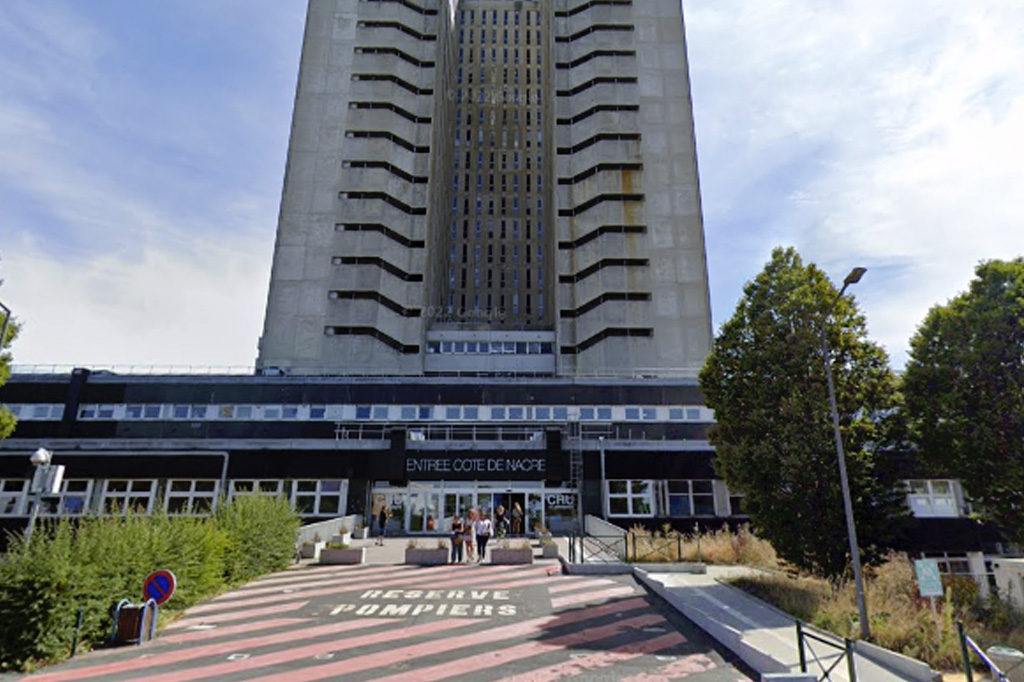 | |
Outpatient Medicine Unit Mother-of-Pearl Coast Tower | Level : 15 | GPS access: Main | Parking: Parking 1 |  | |
Conventional Hospitalization Unit Mother-of-Pearl Coast Tower | Level : 18 | GPS access: Main | Parking: Parking 1 | |
