
Reproductive biology
Reproductive biology
Reproductive biology encompasses diagnostic activities in sperm analysis and therapeutic activities in Assisted Reproductive Technology (ART). The department provides care for patients seeking sperm donation, egg donation, double gamete donation, or embryo adoption.
Reproductive biology encompasses diagnostic activities in sperm analysis and therapeutic activities in Assisted Reproductive Technology (ART). The department provides care for patients seeking sperm donation, egg donation, double gamete donation, or embryo adoption.
Consultations & Team
Spermiology · CECOS
Andrology
In Vitro Fertilization · Medically Assisted Reproduction
Psychology
and Friday from 9am to 2pm
Service composition
- 4 hospital practitioners
- 1 attached practitioner
- 2 psychologists
- 1 healthcare manager
- 7 laboratory technicians
- Hospital PractitionerMedical biologist – Andrologist
- Hospital PractitionerPharmacist-Biologist
- Hospital PractitionerMedical biologist
- Psychologist
- Attending PractitionerPharmacist-Biologist
- Acting as Health ExecutiveGenomics – BDR
- Senior healthcare executive
- Senior healthcare executive


Our services
The management of infertile couples requires close coordination between gynecological clinicians and biologists in Assisted Reproductive Technology (ART).
These activities include biological, diagnostic and therapeutic activities within the Reproductive Biology sector of the medical biology laboratory.
- Spermogram,
- Sperm cytogram
- Migration-survival test,
- Seminal biochemistry,
- Testing for anti-sperm antibodies,
- Sperm DNA fragmentation
- Intrauterine Insemination (IUI)
- In Vitro Fertilization (IVF),
- In vitro fertilization with intracytoplasmic sperm injection (ICSI).
In collaboration with the urology department, we provide testicular sperm extraction (TESE) during surgical testicular biopsies, particularly in cases of azoospermia.
The service takes care of donors and recipients of gamete donations (sperm and oocytes) and of embryo adoption.
Finally, we also perform gamete, ovarian, and testicular tissue cryopreservation for fertility preservation before treatments that risk causing infertility in adults and children. Gamete cryopreservation is also possible without a medical indication for women aged 29 to 37 and men aged 29 to 45.
- Cultural items,
- Laminar flow hoods,
- Thermostatically controlled CO2 and tri-gas chambers
- Micro-injection device,
- Upright and inverted microscopes,
- Automated freezing system for gametes and germinal tissues
- Liquid nitrogen storage containers at -196 °C.
Assisted Reproductive Technology (ART) and Fertility Preservation
Sperm cryopreservation is recommended before any treatment that could temporarily or permanently impair male fertility. Semen collection via masturbation is the first-line option. In some cases, surgical retrieval via testicular biopsy is also possible.
Sperm are stored in liquid nitrogen at -196°C and can be stored indefinitely up to the age of 60, the maximum age allowed by law to use these gametes in the context of Assisted Reproductive Technology.
Fertility preservation is indicated in various medical situations, including conditions such as cancer, inflammatory or hematological diseases, surgical procedures that may impair sexual or reproductive function, or as part of a gender transition. It is also possible, without a medical indication, for women aged 29 to 45. In this case, the annual preservation costs are not covered by social security.
Fertility preservation is recommended before any treatment that could lead to temporary or permanent impairment of a woman's fertility. Egg freezing via ovarian puncture after ovarian stimulation treatment is the standard technique. In some cases, surgical removal of ovarian tissue for preservation is also possible.
Oocytes or ovarian tissue are stored in liquid nitrogen at -196°C and can be stored indefinitely up to the age of 45, the maximum age allowed by law for use in Assisted Reproductive Technology or autologous transplantation.
Fertility preservation is indicated in various medical situations, including conditions such as cancer, inflammatory or hematological diseases, ovarian surgery that may impair reproductive function, or as part of a gender transition. It is also possible, without a medical indication, for women aged 29 to 37. In this case, the annual preservation costs are not covered by social security.
Fertility preservation is also possible in children in the context of certain pathologies.
Before puberty , boys do not produce sperm. Testicular tissue cryopreservation is possible before treatment that carries a high risk of causing permanent sterility, but no technique is currently available to allow the use of this tissue. In adolescents , cryopreservation of ejaculated or surgically retrieved sperm is a possibility, depending on the stage of puberty and the boy's maturity.
In girls before puberty, ovarian tissue cryopreservation is possible before high-risk treatments that could lead to permanent sterility, with a view to a transplant . In adolescent girls, the freezing of ovarian tissue or oocytes by ovarian puncture after ovarian stimulation treatment is discussed on a case-by-case basis, depending on the pathologies, age, and maturity of the girl.
The Assisted Reproductive Technology Center


Gamete and embryo donation

Medical biology laboratory
Locate / contact the service
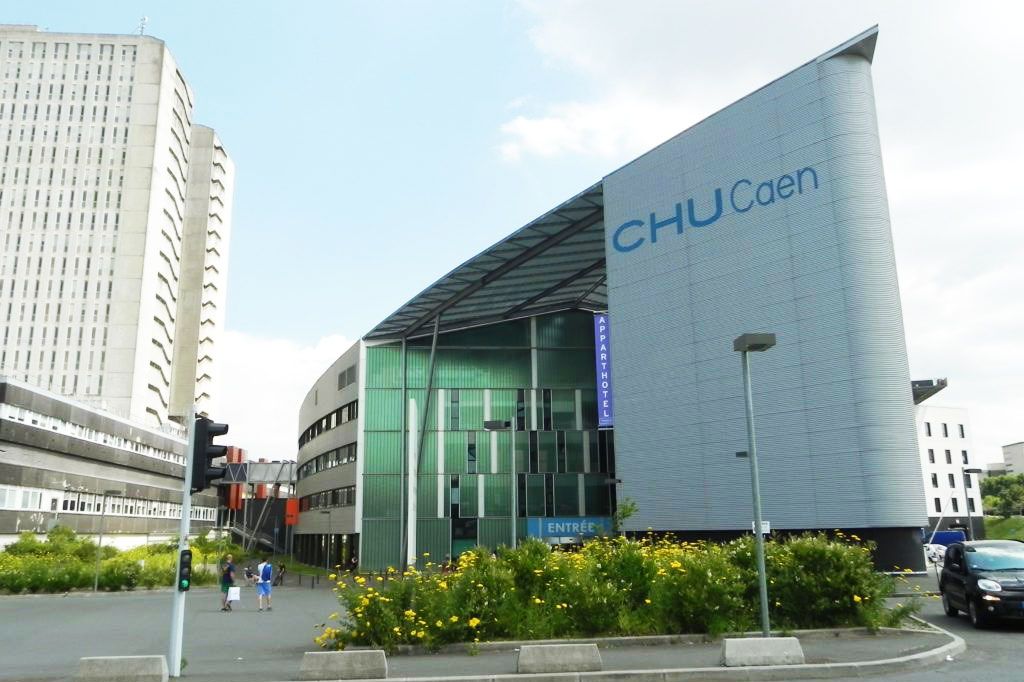
Women's and Children's Hospital - Hematology
Reproductive biology
Secretariat of the department
8am › 4pm

Main Access

